
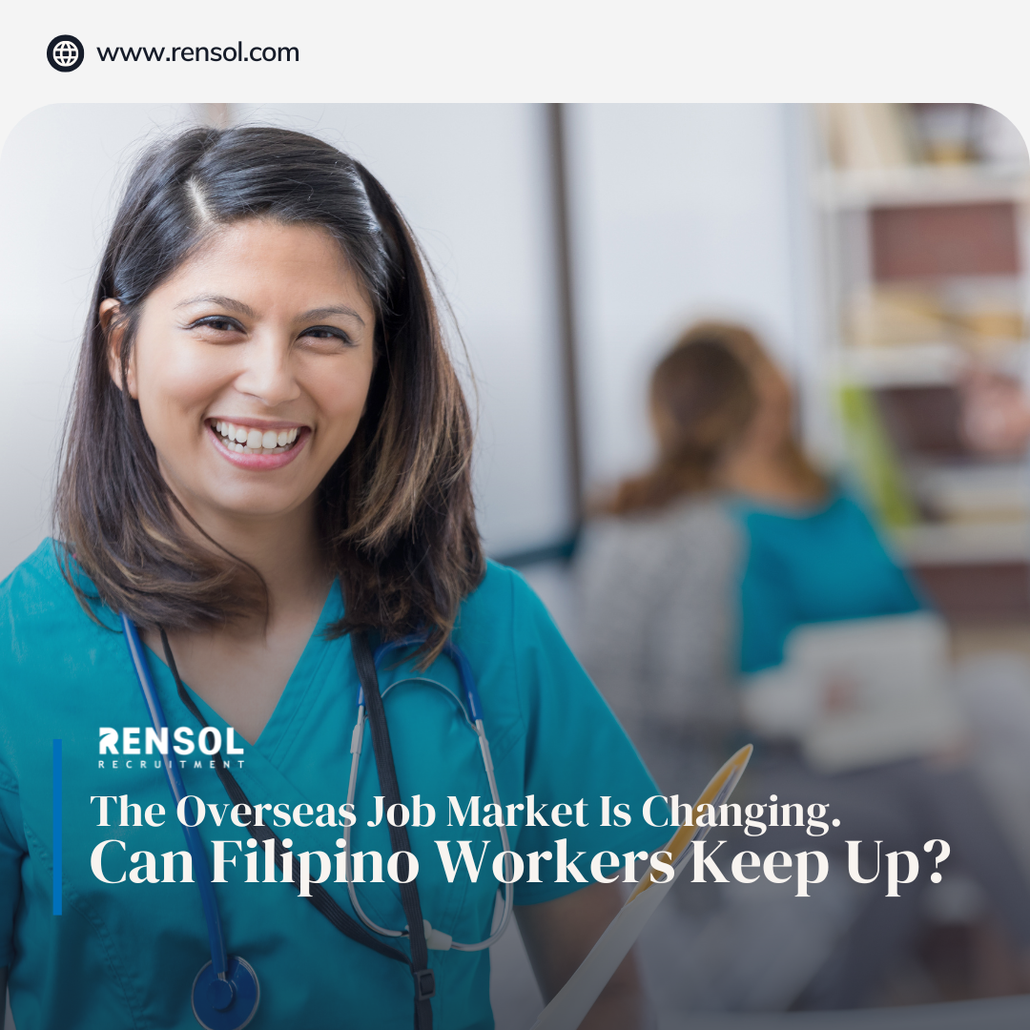
The Overseas Job Market Is Changing. Can Filipino Workers Keep Up?
For decades, Filipino workers have been known around the world for their skills, adaptability, and willingness to work hard.
But the global job market is changing.
Industries are evolving. Technology is changing the way people work. Employers are becoming more specific about the skills and experience they need. And as more workers compete for opportunities overseas, simply being willing to work abroad may no longer be enough.
The question is not whether Filipino workers can compete.
The question is: Can we keep up with what the global job market is looking for?
Overseas Jobs Are Becoming More Specialized
The days when overseas employers could simply look for workers with general experience are changing.
Today, many job openings come with specific requirements. Employers may look for particular technical skills, industry experience, certifications, licenses, or familiarity with certain equipment and systems.
For example, an employer looking for a technician may not only want someone who has worked as a technician for several years. They may need someone with experience handling specific equipment or working within a particular industry.
The same applies to hospitality, healthcare, construction, manufacturing, engineering, and other fields.
Having experience matters. But having relevant experience matters even more.
Technology Is Changing the Workplace
Technology is becoming part of more industries and workplaces around the world.
From automated systems in manufacturing to digital tools in offices, technology is changing how tasks are performed and how businesses operate.
This does not mean that every job will be replaced by technology.
Instead, it means workers may need to learn how to work alongside new systems and tools.
For Filipino workers planning to build careers abroad, staying competitive can mean being willing to learn something new even after years of experience.
Experience gives you a foundation. Continuous learning helps you keep building on it.
Employers Are Looking Beyond Years of Experience
Years of experience can tell an employer how long someone has worked in a particular field.
But it does not always tell the whole story.
Employers may also want to know:
- What skills does the applicant have?
- What kind of work environment have they experienced?
- What equipment or systems have they handled?
- Do they have relevant certifications or training?
- Can they communicate effectively?
- Can they adapt to different working environments?
- Are they prepared to meet the specific requirements of the position?
This is why applicants should not simply count their years of experience.
They should also understand what those years of experience have taught them.
Adaptability Is Becoming an Important Skill
Working abroad means entering a workplace that may be different from what an applicant is used to.
There can be differences in workplace culture, communication styles, technology, processes, and expectations.
A worker who knows how to adapt can be better prepared to handle these changes.
Adaptability does not mean forgetting what you already know.
It means being open to learning new methods, understanding different environments, and finding ways to apply your existing skills in a new workplace.
Filipino Workers Already Have a Strong Foundation
A changing job market does not mean Filipino workers are starting from zero.
Filipino workers have built careers across different industries and countries, gaining experience in workplaces that require discipline, teamwork, communication, and adaptability.
But strengths should not become reasons to stop improving.
The global workforce continues to evolve, and workers everywhere are expected to evolve with it.
The goal is not simply to say, “I am experienced.”
It is to be able to say:
“I am experienced, and I am ready for what comes next.”
So, Can Filipino Workers Keep Up?
Yes, but keeping up requires preparation.
For aspiring overseas workers, that preparation can start long before an application is submitted.
It can mean gaining relevant experience, improving technical skills, completing appropriate training and certifications, strengthening communication skills, and staying informed about the requirements of the industry and country they want to work in.
Most importantly, it means understanding that a career abroad is not a one-time achievement.
The skills that helped someone get their first overseas job may not be the same skills that help them progress five or ten years later.
The world of work will continue to change.
New technologies will emerge. Industries will evolve. Employer expectations will shift. New opportunities will open while others may decline.
For Filipino workers, the challenge is not simply to find an opportunity abroad.
It is to stay ready for the opportunities that come next.
Because the overseas job market is changing.
The real question is:
Are we changing with it?
Leave a Reply
Want to join the discussion?Feel free to contribute!